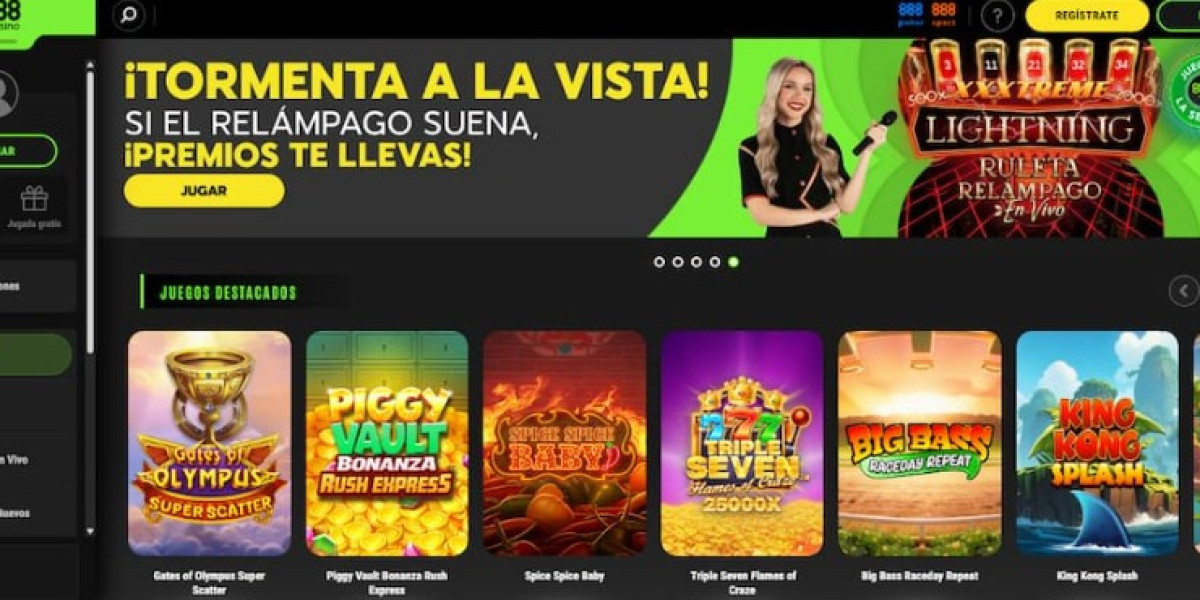

Brazil has become an increasingly important market for online betting and iGaming businesses. With the growth of digital entertainment and the development of a regulated betting environment, entrepreneurs are exploring opportunities to build localized platforms for Brazilian users. One approach is to develop a Stake-like iGaming platform that takes inspiration from the features and business model commonly associated with major international betting platforms while maintaining its own branding, design, technology, and identity.
However, launching an iGaming platform in Brazil requires more than developing a website with betting and casino features. Businesses need to consider regulatory requirements, payment infrastructure, localization, platform security, customer acquisition, retention, and revenue generation. A well-planned approach can help businesses build a scalable platform while creating opportunities to improve return on investment over time.
Why Build a Stake-Like iGaming Platform in Brazil?
Brazil offers a large digital audience and an established interest in sports and online entertainment. The country's regulatory framework for fixed-odds betting and online games has also created a more structured environment for operators. The Ministry of Finance states that fixed-odds betting is regulated at the federal level and that operators require authorization from the Secretariat of Prizes and Betting (SPA/MF) to operate nationally.
For entrepreneurs, this creates an opportunity to build an iGaming platform designed specifically for Brazilian users. Instead of directly copying an existing operator, a Stake-like platform can use familiar iGaming concepts while introducing an original interface, brand identity, customer experience, and business strategy.
How to Launch a Stake-Like Platform in Brazil
The first stage is to define the platform's business model. An operator may focus primarily on sports betting, online casino games, live gaming, or a combination of different iGaming products, depending on the applicable authorization and regulations. Defining the business model early helps determine the required technology, integrations, payment systems, content providers, and marketing strategy.
Localization is another important factor. A platform targeting Brazil should provide a Portuguese-language experience and support Brazilian currency and suitable payment infrastructure. The registration process, navigation, customer support, promotions, and content should all be designed with Brazilian users in mind. A localized platform can reduce friction throughout the customer journey and make the overall experience more relevant.
Technology also plays an important role in the success of a Stake-like platform. The platform should be capable of handling user accounts, betting activity, transactions, gaming integrations, wallet operations, reporting, and administrative functions. A scalable architecture is particularly important because performance problems during periods of high traffic can affect both customer experience and revenue.
Revenue Opportunities for a Stake-Like iGaming Platform
Revenue generation should be considered during the initial platform planning stage rather than after development is completed. Sports betting can generate revenue through the operator margin built into betting markets, while permitted online gaming products can create additional revenue opportunities.
A platform can also develop additional commercial channels through affiliate partnerships, customer retention programs, and other permitted marketing strategies. The objective is to create multiple sustainable revenue streams rather than depending on a single product.
However, revenue should not be viewed only in terms of the number of registered users. Active users, betting activity, transaction volume, retention, customer acquisition costs, and operational expenses all influence the actual financial performance of an iGaming business.
How to Improve ROI
Improving ROI begins with controlling the cost of acquiring customers. Instead of relying entirely on paid advertising, businesses can combine SEO, content marketing, partnerships, affiliate marketing, and other suitable acquisition channels. Tracking the performance of each channel allows operators to understand where marketing investment is producing meaningful results.
Customer retention can also have a significant impact on ROI. If a platform continuously spends money acquiring new users while losing existing users, acquisition costs can become difficult to manage. A smooth registration process, reliable payment experience, fast platform performance, useful customer support, and an engaging user interface can help create a stronger overall experience.
Data analytics can further improve decision-making. By monitoring customer acquisition cost, lifetime value, conversion rate, retention, average revenue per user, gross gaming revenue, and net gaming revenue, businesses can identify areas where performance can be improved. These insights can help operators allocate their marketing and technology budgets more effectively.
Compliance and Responsible Gaming
Regulatory planning should be considered before development begins. Brazil's federal framework places requirements on authorized betting operators, including areas related to online games, advertising, responsible gaming, and technical systems. Businesses planning to enter the market should obtain appropriate legal and regulatory advice and verify the latest requirements with the relevant Brazilian authorities.
Responsible gaming should also be incorporated into the platform rather than treated as an additional feature. Building appropriate controls and user-protection mechanisms can support a more sustainable operating model while helping the platform align with applicable requirements.
Build a Platform Inspired by the Market, Not a Direct Copy
A Stake-like iGaming platform does not need to be an exact replica of another operator. Businesses can take inspiration from established industry concepts while creating an independent product. This means developing original branding, interface design, user flows, platform architecture, content, and customer experience.
This approach also allows the platform to be positioned specifically for Brazilian users. The operator can develop its own value proposition and differentiate itself through localization, product selection, technology, customer experience, and marketing strategy.
Conclusion
Launching a Stake-like iGaming platform in Brazil involves combining market research, regulatory planning, localized user experience, scalable technology, secure payments, and a well-defined revenue strategy. The development process should focus not only on launching the platform but also on creating a system that can support sustainable growth.
Revenue and ROI depend on several factors, including customer acquisition costs, user retention, platform performance, betting activity, operational expenses, and the effectiveness of the overall business model. By tracking these factors and continuously improving the customer experience, businesses can build a more sustainable foundation for their iGaming operations in Brazil.
For companies exploring this opportunity, the goal should not be to simply copy an established platform. A better approach is to develop an independent Stake-like iGaming platform that combines proven industry concepts with original branding, localized functionality, scalable technology, and a business model designed around the Brazilian market.
Contact us for Free Demo: Call/WhatsApp: +918778074071
TG: https://t.me/malgotechnologies