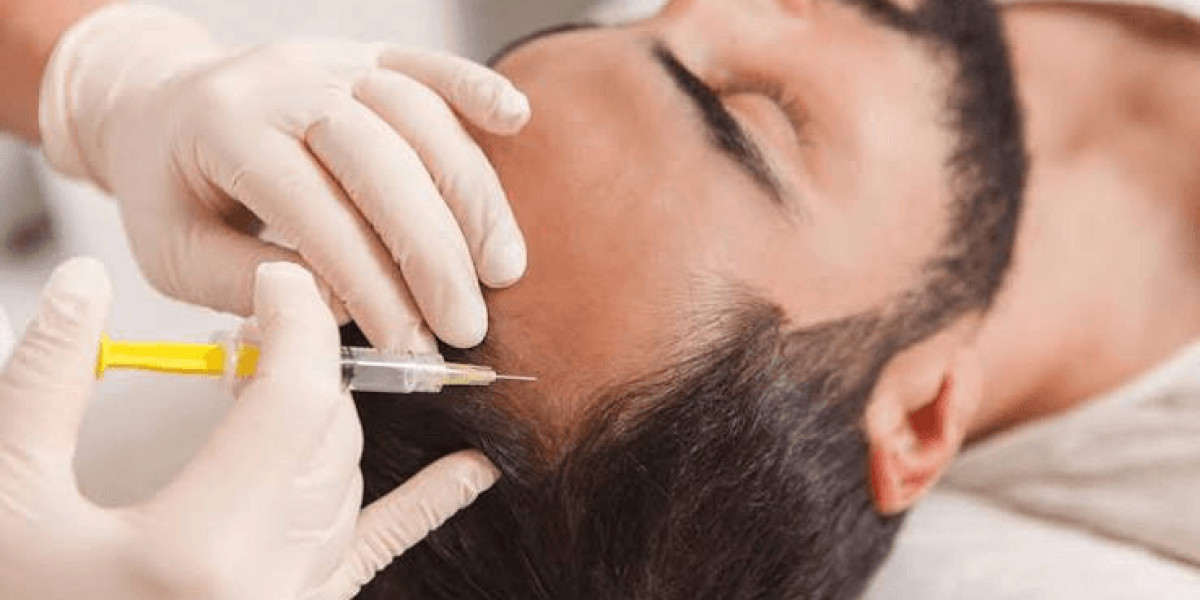

Hair thinning, excessive shedding, and reduced hair density can affect confidence and overall well-being. With advances in hair restoration, people now have access to treatment options that aim to support natural hair growth. Growth Factor Concentrate (GFC) therapy is one such option that uses growth factors derived from a person's own blood. For individuals exploring gfc treatment in bangalore, understanding the procedure, potential benefits, limitations, and expected outcomes can help them make informed decisions about their hair care.
What Is GFC Hair Treatment?
Growth Factor Concentrate (GFC) is a non-surgical hair restoration procedure that uses selected growth factors obtained from a patient's blood. These growth factors are biological signalling molecules involved in cellular communication, tissue repair, and processes associated with hair follicle function.
During the procedure, a blood sample is collected and processed using specialised equipment to prepare a growth factor concentrate. The resulting preparation is administered into targeted areas of the scalp by a qualified medical professional.
GFC treatment aims to support the scalp environment and hair follicles. However, results vary between individuals, and the treatment is not guaranteed to reverse every type of hair loss. A medical assessment is important before starting therapy.
How Does GFC Treatment Work?
The GFC procedure generally involves a few key stages designed to prepare and deliver the growth factor concentrate.
1. Scalp assessment: A specialist examines the scalp, reviews the pattern of hair loss, and discusses relevant medical history. This helps determine whether GFC may be an appropriate option.
2. Blood collection: A small blood sample is drawn from the patient under hygienic conditions.
3. Growth factor preparation: The sample is processed using a specialised system to obtain a concentrate containing selected growth factors.
4. Scalp administration: The prepared concentrate is injected into designated scalp areas using an appropriate technique.
5. Follow-up and monitoring: Progress is reviewed over time to assess changes in hair shedding, density, and overall scalp condition.
The number of sessions and the interval between them depend on the individual's condition and the treating clinician's recommendations.
Potential Benefits of GFC Hair Treatment
GFC may be considered by people experiencing certain forms of hair thinning, particularly when hair follicles remain capable of producing hair. Potential benefits include:
Uses the patient's own blood: The treatment uses a preparation derived from the patient's blood, although this does not eliminate all procedural risks.
Minimally invasive approach: GFC is performed through scalp injections and generally does not require surgery.
Targeted administration: The concentrate can be delivered to areas identified during the scalp assessment.
Convenient procedure: Sessions are typically completed without an extended hospital stay.
Individualised treatment planning: A clinician can evaluate whether GFC fits within a broader hair restoration plan.
The strength of clinical evidence for GFC is still developing. Outcomes depend on the cause of hair loss, the condition of the follicles, and other individual factors. Patients should discuss realistic expectations before proceeding.
GFC Treatment vs PRP Treatment: Understanding the Difference
Platelet-Rich Plasma (PRP) is another treatment used in selected hair restoration plans. Both GFC and PRP involve collecting a blood sample and processing it before administering the preparation into the scalp. However, their preparation methods and biological compositions differ.
PRP concentrates platelets from blood plasma. These platelets contain growth factors and other substances involved in biological repair processes. GFC preparation aims to isolate and concentrate selected growth factors through a specific processing method.
Neither treatment is universally suitable for every type of hair loss, and evidence does not establish that one option is always superior to the other.
People researching prp treatment in bangalore can consult Keza Clinic to understand the procedure, suitability criteria, and available treatment options. A qualified clinician can explain the differences and help develop a plan based on the patient's scalp condition and medical history.
Who May Be Suitable for GFC Treatment?
GFC may be considered for adults experiencing certain types of hair thinning or pattern hair loss. Suitability depends on the underlying cause, the degree of hair loss, and the presence of viable hair follicles.
A consultation is particularly important for people experiencing sudden shedding, patchy hair loss, scalp inflammation, or unexplained changes in hair density. These symptoms may require investigation or a different treatment approach.
A clinician may recommend blood tests, scalp examination, or other assessments when necessary. Treatment planning should address the underlying cause rather than focusing only on visible symptoms.
What Results Can You Expect?
Hair restoration takes time because hair follicles follow natural growth cycles. Any improvement associated with GFC may develop gradually rather than immediately after a session.
Some patients may notice changes in shedding or hair density over several months, while others may experience limited improvement. Results cannot be predicted precisely, and available evidence does not support a guaranteed timeline.
The outcome may depend on factors such as the cause and duration of hair loss, age, general health, consistency with the treatment plan, and ongoing hair follicle activity. Photographs and follow-up assessments can help track progress more objectively.
Patients should understand that GFC is not a permanent cure for hair loss. Continued monitoring and other medically appropriate treatments may be necessary to manage the underlying condition.
Aftercare Following GFC Hair Treatment
Following the clinician's instructions can help support recovery after scalp injections. General aftercare may include:
Keep the scalp clean according to the recommended schedule.
Avoid vigorous exercise for the period advised by the treating clinician.
Follow instructions regarding hair washing and scalp products.
Avoid rubbing, scratching, or unnecessarily touching the treated areas.
Contact the clinic if persistent pain, increasing redness, swelling, fever, or other concerning symptoms develop.
Mild tenderness or temporary redness may occur after injections. The clinician should explain possible side effects, precautions, and when normal hair care activities can resume.
Exploring GFC and PRP Treatment at Keza Clinic
Choosing a hair restoration treatment begins with understanding the cause of hair loss and the options available. At Keza Clinic, individuals considering GFC or PRP can seek professional guidance on suitability, the treatment process, expected outcomes, and follow-up care.
Rather than choosing a procedure based only on popularity, patients should discuss their goals, medical history, budget, and willingness to attend follow-up sessions. A personalised assessment helps establish realistic expectations and identify appropriate treatment options.
Conclusion
GFC hair treatment is a minimally invasive option that uses growth factors derived from a patient's blood to support selected hair restoration goals. Understanding the procedure, potential benefits, limitations, and aftercare is essential before making a decision. Individuals researching gfc treatment in bangalore or prp treatment in bangalore keza should seek a qualified medical assessment to determine which approach, if any, is appropriate for their condition. With an individualised plan and realistic expectations, patients can make better-informed decisions about managing hair thinning and maintaining scalp health.