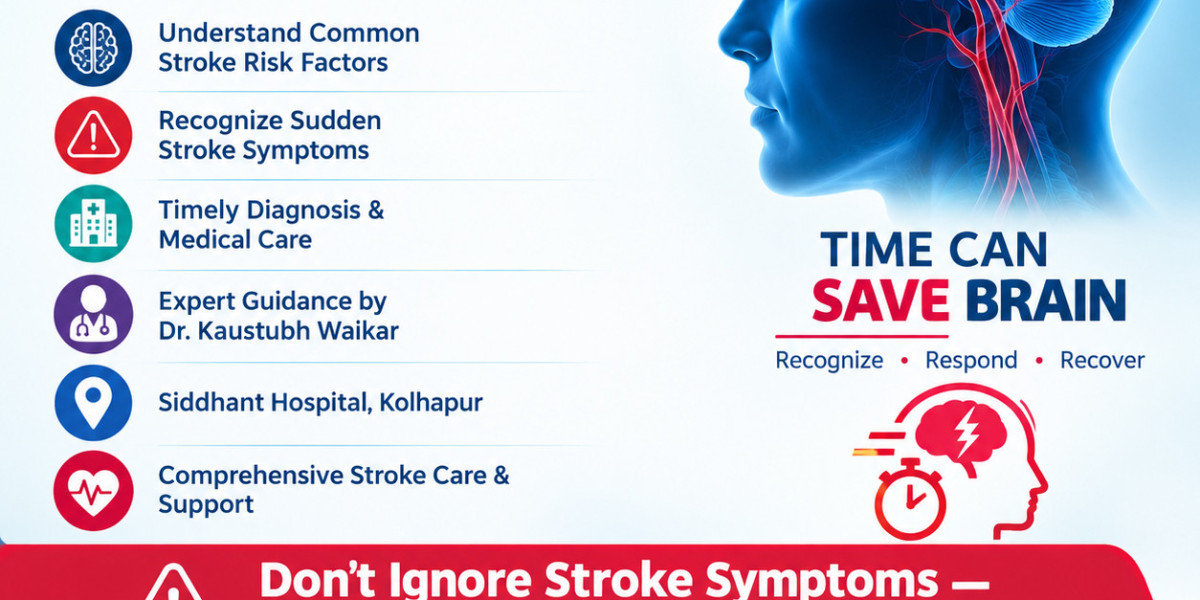

A brain stroke is a serious medical emergency that occurs when blood flow to part of the brain is interrupted or when a blood vessel in the brain ruptures. Because brain cells can become damaged within minutes, recognizing the symptoms and getting immediate medical attention is extremely important.
At Siddhant Hospital, Kolhapur, patients experiencing neurological emergencies can receive timely evaluation and appropriate medical care under the guidance of Dr. Kaustubh Waikar. As a trusted Best Brain Stroke Hospital in Kolhapur, Siddhant Hospital focuses on prompt assessment, specialized treatment, and comprehensive care for patients with suspected or diagnosed brain stroke.
What Is a Brain Stroke?
A stroke occurs when the brain does not receive enough blood and oxygen. There are two major types of stroke:
Ischemic Stroke: Caused by a blockage in a blood vessel supplying the brain.
Hemorrhagic Stroke: Occurs when a blood vessel in the brain ruptures and causes bleeding.
Both types require urgent medical evaluation and treatment.
Common Risk Factors for Brain Stroke in Adults
Several health conditions and lifestyle factors can increase the risk of stroke. Common risk factors include:
High blood pressure
Diabetes
High cholesterol
Smoking and tobacco use
Excessive alcohol consumption
Obesity and physical inactivity
Heart conditions, including certain irregular heart rhythms
Previous stroke or transient ischemic attack (TIA)
Increasing age
Family history of stroke
Managing these risk factors through regular medical check-ups, prescribed medications, a balanced diet, physical activity, and healthy lifestyle choices can help reduce stroke risk.
Brain Stroke Symptoms You Should Never Ignore
Stroke symptoms can appear suddenly. Some of the most common warning signs include:
Sudden weakness or numbness of the face, arm, or leg, especially on one side
Sudden difficulty speaking or understanding speech
Sudden vision problems
Sudden dizziness, loss of balance, or difficulty walking
Sudden severe headache, particularly with other neurological symptoms
Confusion or difficulty understanding what is happening
A useful way to remember common stroke warning signs is FAST:
F – Face: Ask the person to smile. Does one side of the face droop?
A – Arms: Ask the person to raise both arms. Is one arm weak or drifting downward?
S – Speech: Is their speech unclear, strange, or difficult to understand?
T – Time: If these symptoms occur suddenly, seek emergency medical help immediately.
Do not wait for symptoms to disappear on their own.
How Is Brain Stroke Diagnosed?
When a patient reaches the hospital with possible stroke symptoms, doctors may perform a neurological examination and recommend imaging and other tests. Depending on the situation, these may include a CT scan, MRI, blood tests, ECG, or other investigations.
The goal is to identify the type of stroke and determine the appropriate treatment as quickly as possible.
Brain Stroke Treatment
Treatment depends on the type of stroke, the patient's symptoms, overall health, and how quickly medical care is received.
For certain ischemic strokes, doctors may consider treatments designed to restore blood flow to the brain when the patient meets specific medical criteria and arrives within the appropriate treatment window. Some patients may also require procedures to remove a blood clot from a blocked blood vessel.
For hemorrhagic stroke, treatment focuses on controlling bleeding, managing blood pressure and pressure within the brain, and addressing the underlying cause. Some cases may require neurosurgical or other specialist intervention.
Because treatment decisions are time-sensitive and highly individualized, suspected stroke should always be treated as an emergency.
Brain Stroke Recovery and Rehabilitation
Recovery after a stroke varies from person to person. Some patients recover quickly, while others may require longer-term rehabilitation.
Depending on the effects of the stroke, rehabilitation may involve:
Physiotherapy
Occupational therapy
Speech and language therapy
Assistance with daily activities
Management of underlying health conditions
Regular neurological follow-up
Early rehabilitation and appropriate medical supervision can support recovery and help patients regain independence where possible.
Why Timely Stroke Treatment Matters
Stroke is often described as a time-sensitive emergency because prolonged interruption of blood flow can result in greater brain injury. If someone suddenly develops facial weakness, arm weakness, speech difficulty, severe dizziness, or other concerning neurological symptoms, seek emergency medical care immediately.
Avoid giving food, drinks, or medications unless advised by a healthcare professional, particularly when the person has difficulty swallowing or is not fully alert.
Brain Stroke Care at Siddhant Hospital, Kolhapur
Siddhant Hospital, Kolhapur, under the medical guidance of Dr. Kaustubh Waikar, provides medical evaluation and care for patients requiring neurological assessment and treatment.
If you or a family member develops sudden symptoms that may indicate a stroke, do not delay seeking emergency medical attention. Early recognition and timely treatment can make an important difference in stroke care.